How to keep raccoons out of your attic you should inspect your home this spring to look for possible ways that raccoons could get into your attic and then take steps to prevent that from happening. Rock stations work the best at keeping raccoons away.
Raccoon Removal In Massachusetts And Rhode Island Getting Rid Of Raccoons Batguys Animal Removal
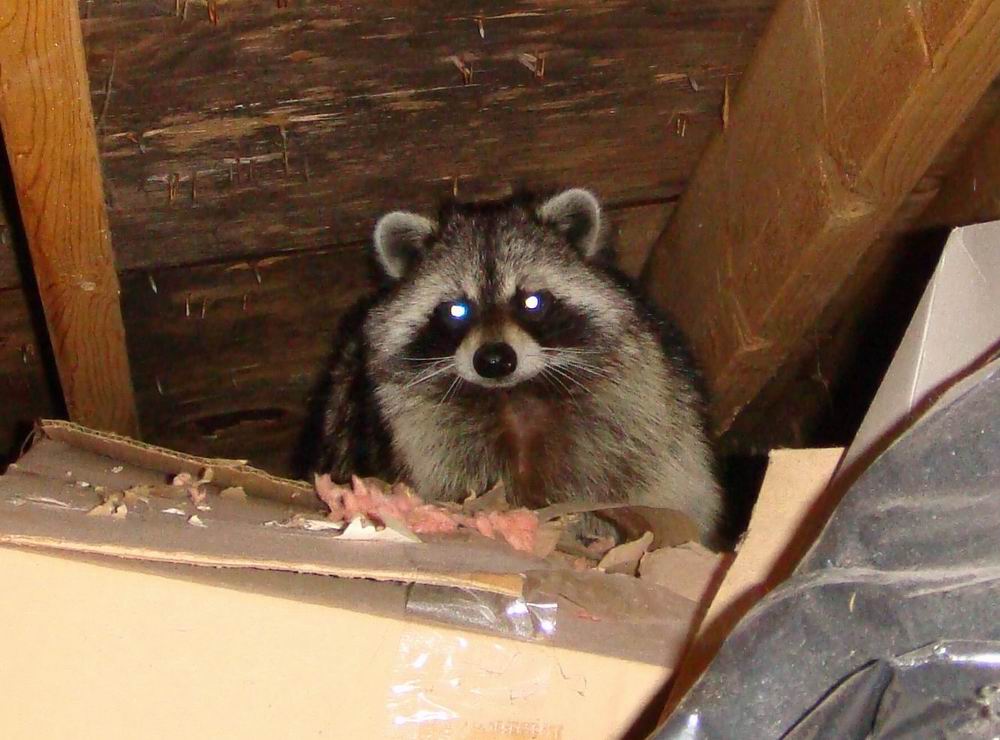
If you re just dealing with adult raccoons you can diy their removal by trying bright lights and loud noises like a loud battery operated radio in the attic or fireplace to scare them out.

How to keep raccoons out of attic. Create a trail for raccoons from outside your property and right in to the trap. Wait another 3 days and nights. Contrary to what many think these methods won t get rid of animals living in your attic or keep them away especially raccoons and mice.
Keep pieces of foods along the trail that will lead to the trap. You want to do this because once the raccoon is trapped they will make a mess especially if trapped for a few hours. In other words a way into the attic.
Raccoon prevention is all about not making it easy for them. The newspaper will make the trap easy to clean. Always wear gloves while setting up the trap and trail raccoons may get wary of the human scent and not come close to the trap at all.
Try to keep multiple traps. Newspapers give you an easy way to clean up urine and feces that go through the cage. But a raccoon sees an easy way up and a nice work platform.
If the paper is still in place and you don t hear anything in the attic the raccoons are probably gone. The main reason a raccoon may have made your attic his new den is because the female is about to give birth. Trees shrubs and downspouts help raccoons access roofs easily.
There is one scare tactic or repellent that works to keep raccoons away. Jazz or easy listening may just put them to sleep. Look for all the raccoons in your attic.
Put the pipes and conduit behind the wall more work and cost and the ease of access for the raccoon is greatly reduced. If you have a tree near your house make sure there are no branches hanging over the roof that could provide easy access for raccoons. Set up a radio in your garden and leave it on all night.
If there is a raccoon residing in your attic it will have nowhere to go. Either stuff the entrance with balled up newspaper or tape a double sheet of newspaper over the hole. Raccoons need a safe warm and dry place to raise the new pups and your attic makes a perfect habitat.
Take the cage into the attic and position in a clear area away from wires or other objects. Then you have to wait for the raccoon to get into the cage. When you think the raccoon is gone before closing the hole make sure with a paper test.
Spread out newspapers underneath the cage. 2 skip the mothballs ammonia and noise machines. Finally set cage trap ensuring it is lined with newspapers at the bottom.
Keep your trash cans secured avoid keeping any pet food accessible outside and pick up any fruit or nuts that have fallen from trees in your yard. Also try placing a bowl of cider vinegar at the base of the chimney it s a smell raccoons find foul so they ll run from it.
Block any animals from entering your home and keep them out of your home to get them gone for good. The pee tends to soak in the insulation whereas the poop sits there.
How To Tell What Kind Of Animal Is In My Attic
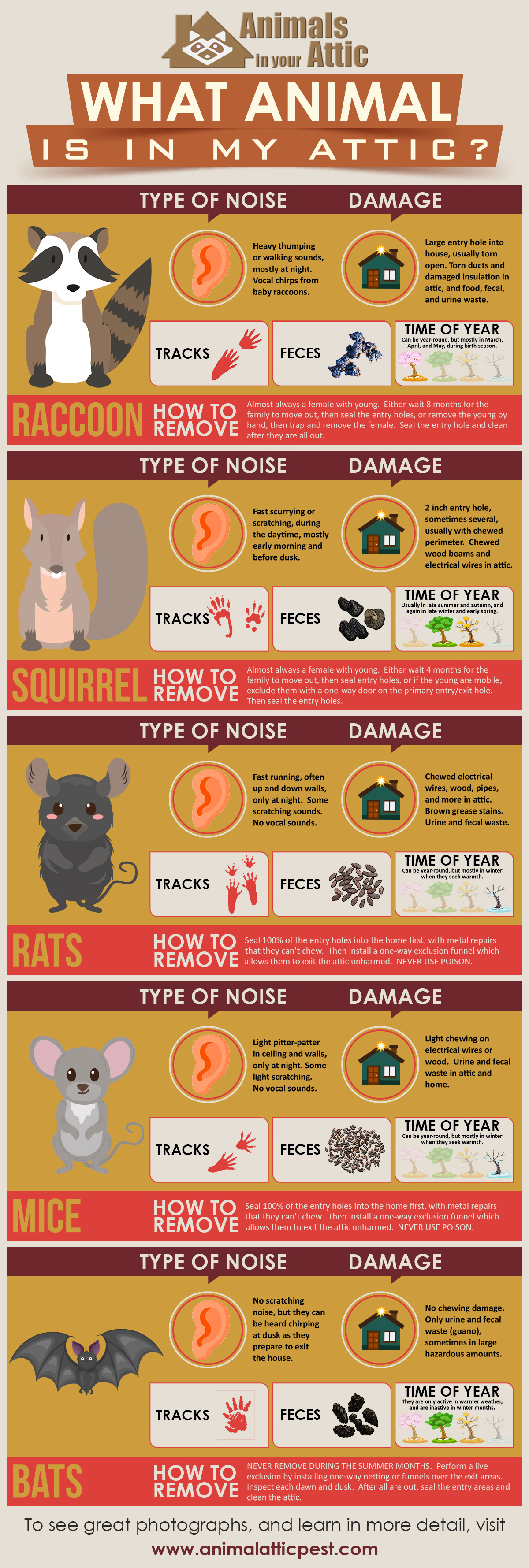
The majority of animals in the attic are expectant females looking for a dry place to make nests and raise their young.

There's an animal in my attic. Out of all the squirrels in attics these squirrels are big time chewers many times they even will chew the wires in your attics this could cause a house fire. If you still wind up with wildlife in your attic here s how to safely and humanely get rid of animals in your attic. Animal poop in the attic.
Squirrels give birth twice a year in late summer and late winter and the babies take only about 8 weeks to be full grown. If you open your attic door and are greeted with a foul unfamiliar odour that makes your eyes water you likely have animals living in your attic. Signs animals are in your attic.
This is a good place to start because most of the time that sound is going to be one of these two critters. Raccoon droppings for example contain the deadly to humans raccoon roundworm. Animals living in your attic can cause damage to the wiring plumbing and structure of your home while also bringing in diseases.
One of the largest problems with having animals live in your attic is that they poop and pee in your attic. Ducts ripped apart raccoons what do animals in your attic sound like. Nests made of paper leaves and twigs squirrels rodents birds disturbed insulation squirrels and raccoons.
The animals that are most likely to be living in your attic are squirrels and raccoons. The droppings or many animals contain pathogens and cause diseases that humans can contract. The extent depends on.
Animal droppings give off a powerful odour that depending on your ventilation system can spread throughout the house. This matters a lot because most animals inside an attic are there to build a nest and raise baby animals. They are the largest.
The two most common kinds of animals that will enter your attic are raccoons and squirrels. Most animals venture into towns and cities looking for food and often find warm and safe shelter in attics. Raccoons usually have young in spring but it varies depending on climate.
If pests have nested in or destroyed your insulation you may need to replace it. If you are hearing animal sounds in your attic at night it is most commonly a raccoon because they are nocturnal animals and thus most active at night. Common animal entry points.
If you hear noises during the daytime it is probably a squirrel since they are only active during the day. Raccoons are often the loudest sound you will hear in your attic. If you hear noises in your attic at night there is probably a raccoon or a flying squirrel there since they are nocturnal.
Every animal does it of course and many of them will turn your attic into a regular sewer. Strategies for keeping an attic animal free mainly involve consistent home inspections and maintenance. All animals will damage the space in one way or another.
How to remove an animal from my attic. Key tips for humane measures of relocation attics are strange places. Damage caused by animals in the attic.
We tend to put many of our family items in there for storage and unfortunately there are many times that wild animals break in and help themselves to all of our lovely stuff. When red squirrels or piney squirrels get in your attic you can really hear a lot of different types of loud noises.